

Travel is supposed to feel freeing… right up until your brain decides to run a full safety audit at the worst possible moment.
Suddenly you’re questioning the door lock, your WiFi connection, and whether your phone battery is about to betray you at 3%.
The truth is, most travel stress doesn’t come from actual danger, it comes from the small unknowns that quietly sit in the back of your mind.
The good news? Those unknowns are surprisingly easy to eliminate.
These aren’t extreme safety hacks or over-the-top precautions. They’re simple, practical essentials that make you feel more in control, so you can spend less time thinking about what could go wrong, and more time actually enjoying where you are.
This isn’t about ranking what matters most, it’s about starting in the right place so everything else feels easier once you’re on the move.
Start Here:
#1: Travel Insurance

This is the one that makes everything else feel lighter.
Not because anything is guaranteed to go wrong, but because if something does, you’re not stuck figuring it out in real time, in a different country, on limited sleep, with questionable WiFi and a rapidly declining phone battery.
Flights get delayed. Bags take their own extended vacations. Plans shift. And occasionally, your body decides this is the perfect time to do something inconvenient. None of that is unusual, it’s just part of moving through the world.
Travel insurance doesn’t stop those things from happening. It just makes sure they don’t spiral.
It turns “what am I going to do?” into “okay, I’ve got options.”
It turns a disruption into an inconvenience. And more importantly, it gives you something that’s hard to pack any other way: the ability to relax a little more into the experience, knowing you’ve already handled the what-ifs before they had a chance to show up.
And if you’re staring at policy options wondering what any of it actually means, this is one of those moments where having a qualified travel advisor in your corner makes a difference, so you’re not guessing your way through something that’s supposed to give you peace of mind.
#2: Backup Credit Card
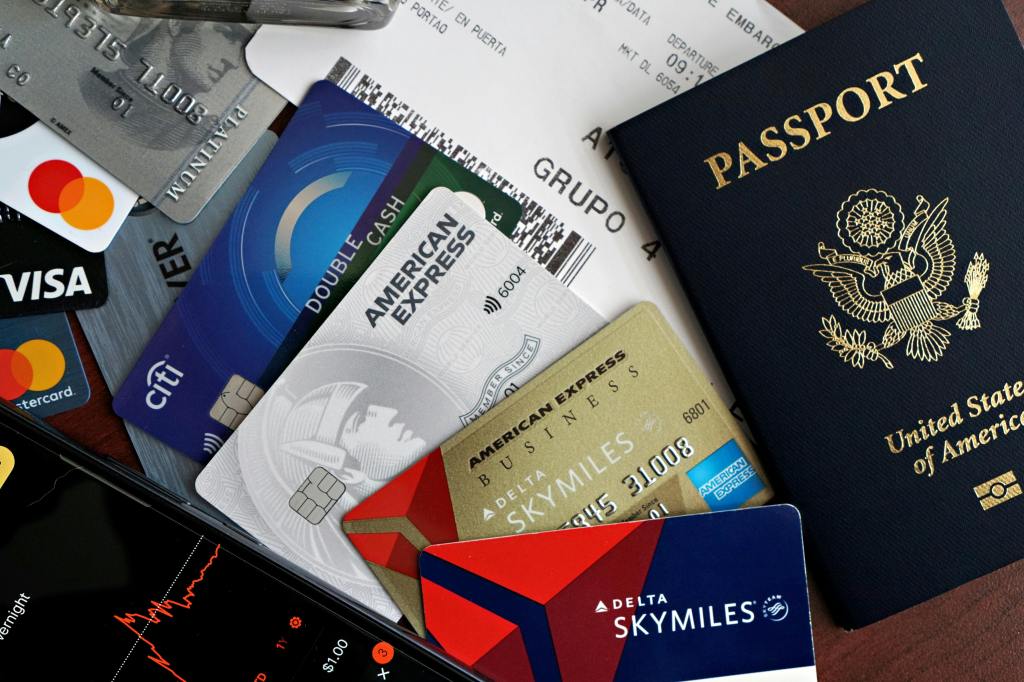
This is one of those things you don’t think about… right up until you really need it.
Cards get flagged. Fraud alerts happen at the worst possible time. Sometimes a payment just doesn’t go through for no clear reason, especially when you’re in a different country, using a different network, at a restaurant that suddenly becomes very aware you can’t pay.
It’s not a crisis. It just feels like one in the moment.
Having a backup credit card, ideally stored separately from your main wallet, turns that entire situation into a non-event. No scrambling, no awkward explanations, no standing there refreshing your banking app while everyone waits.
It also gives you flexibility. Having a second option means you’re not relying on a single point of failure for something as basic as paying for dinner or getting back to your hotel.
It’s simple, it takes almost no effort to set up, and it quietly removes one of the most common (and unnecessary) stress points while traveling.
Because the goal isn’t to prepare for disaster, it’s to make sure small inconveniences stay exactly that.
#3: Detailed Itinerary
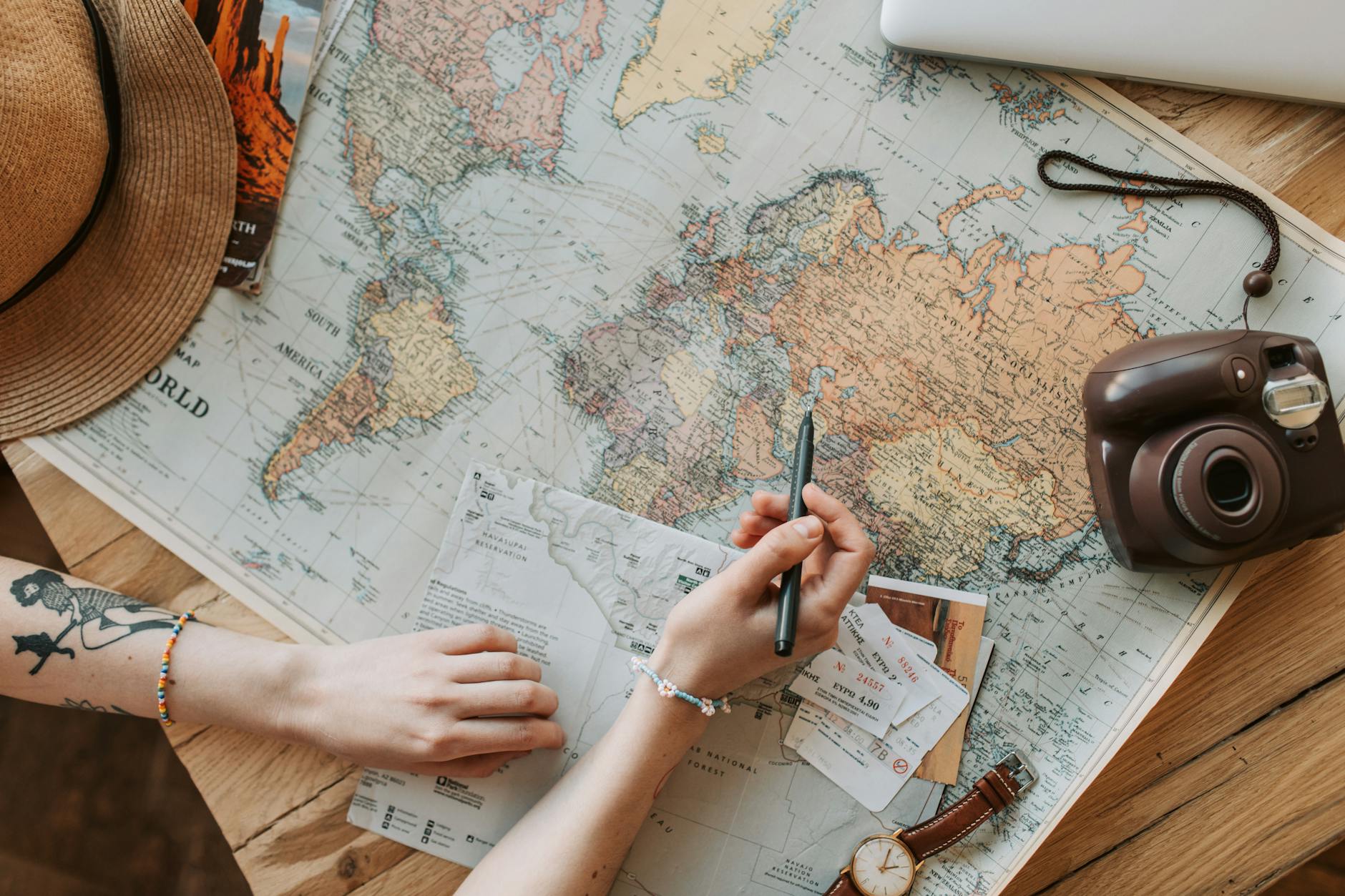
There’s something to be said for traveling with no plan at all, wandering, stumbling into things, letting the day unfold however it wants to. When that’s the actual intention, it can be one of the best ways to experience a place.
But when that’s not the plan, clarity becomes everything.
A solid itinerary isn’t just a list of bookings, it’s your entire trip, organized in a way that makes sense when you actually need it. Flight details, hotel confirmations, transfer info, reservation times, contact numbers, and addresses. All of it, in one place, easy to access.
Because when something shifts, and it will at some point, you don’t want to be digging through emails trying to figure out what comes next. You want to glance at one document (or app) and immediately know your next move.
It also changes how you arrive somewhere new. Instead of that slightly disoriented “okay… what now?” feeling, you step into a place already oriented. You know how you’re getting from the airport, where you’re staying, and what the next few hours look like. That alone removes a surprising amount of friction.
And while you can absolutely build this yourself, this is one of those areas where having an experienced travel advisor quietly pulling everything together can make a noticeable difference. Organizing the moving parts, filling in the gaps you don’t know to look for, and making sure the plan actually works in real life, not just on paper.
Because when your trip is structured this well, you’re not managing logistics anymore, you’re just living the experience.
#4: International Power Adapter
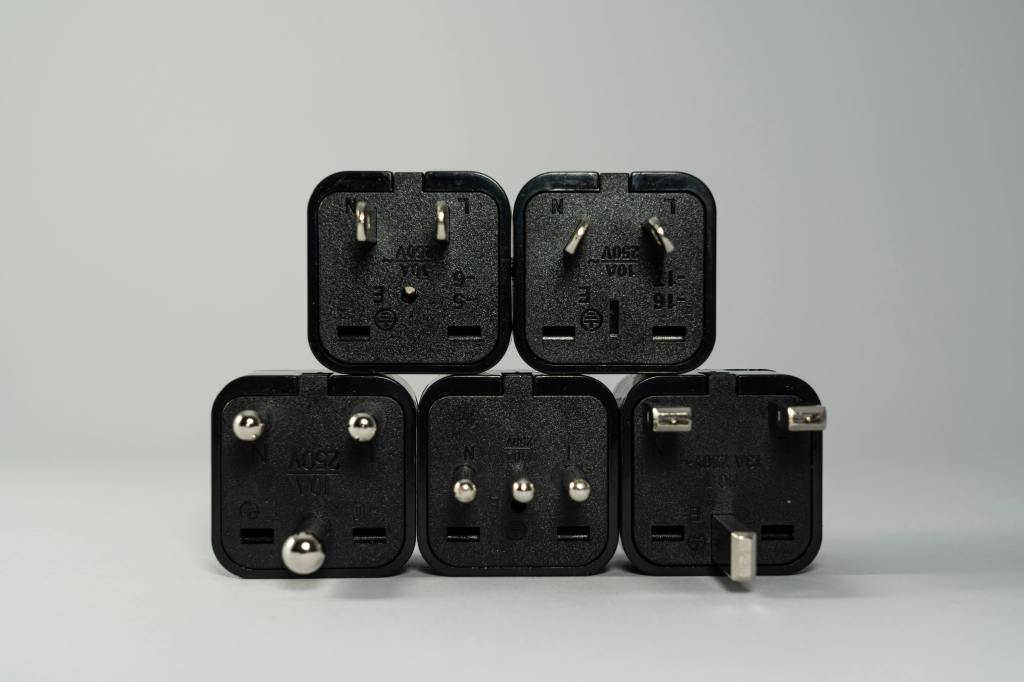
This one doesn’t immediately sound like a “safety” item, until you’re in a new country with something important that won’t turn on.
A working phone is the obvious one. It’s your map, your translator, your ride home, your connection to everything. But it’s not the only thing you rely on. Laptops for work or stored documents. Cameras. Tablets. Even medical devices like CPAP machines or anything that needs consistent power to function properly.
When those go down, even temporarily, things get complicated fast.
An international adapter is what keeps everything running the way it should, no matter where you land. It’s a small, easy-to-pack piece of gear that makes sure you can plug in wherever you are, without having to think twice about compatibility or hunt down the right solution after the fact.
And when you use one with multiple ports, you’re not choosing what gets charged, you’re keeping everything powered at once, which matters more than you think at the end of a long travel day.
This isn’t just about convenience, it’s about staying functional. Staying connected. Keeping access to the tools you depend on, whether that’s navigating a city, pulling up reservations, getting work done, or simply maintaining your routine.
Because when everything you rely on has power, you don’t have to think about it. And that’s exactly the point.
#5 Anti-Theft Bag
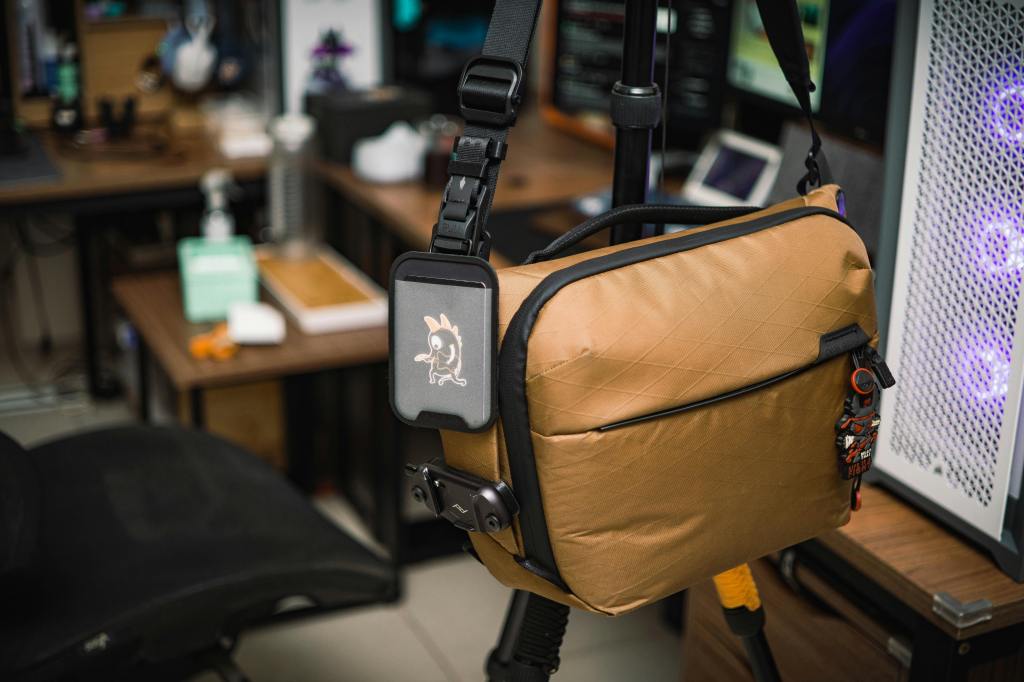
Cities are where travel feels most alive, and where your belongings are most exposed.
Crowded streets, packed metros, busy cafés… they’re great for energy and people-watching, but they’re also where distractions happen. And most pickpocketing isn’t aggressive, it’s quick, subtle, and over before you even realize something’s missing.
That’s where a well-designed anti-theft bag makes a difference.
Whether it’s a crossbody you keep close to your body or a backpack for longer days out, the goal is the same: make your belongings harder to access than the next person’s. Not in a dramatic way, just enough to remove you from the “easy target” category.
The best options are built with features that quietly do their job:
- Locking or clip-secured zippers that can’t be opened in one quick motion
- Cut-resistant straps and fabric that prevent someone from slicing through and walking off with your bag
- Hidden or rear-facing compartments for passports, cards, and cash
- RFID-blocking pockets for an extra layer of protection
- Slim, structured designs that don’t hang loosely or invite easy access
Individually, none of these feel like a big deal. Together, they create friction, and that’s exactly what you want.
Because the reality is, most situations are opportunistic. If something looks easy, it becomes a target. If it doesn’t, it usually gets passed over.
And that’s really the point here.
You’re not trying to outsmart anything, you’re just setting yourself up so you can move through a city without constantly checking your bag, adjusting your grip, or wondering if everything’s still there.
You just explore.
Which, in the end, is the whole reason you’re there.
#6 Luggage Tracker (AirTags or similar)

There’s a very specific kind of travel stress that comes from not knowing where your bag is. Not that it’s gone, just… somewhere else. Maybe it missed a connection. Maybe it’s still sitting on the tarmac. Maybe it’s taking its own extended tour without you.
Airlines will sort it out eventually. But “eventually” isn’t always a comforting timeline when you’re standing at baggage claim with nothing but uncertainty.
That’s where a luggage tracker changes the experience completely. Dropping a small device, like an AirTag or similar, into your checked suitcase gives you real-time visibility into where your bag actually is. Not where the system says it should be, but where it is. And that distinction matters more than you think.
If it makes the flight, you know before it hits the carousel.
If it doesn’t, you’re not guessing, you already have a starting point.
And if there’s ever a delay, you can share that information to help move things along faster.
It’s also worth putting one in your carry-on or day bag. Not because you expect something to happen, but because travel days get busy, and it’s surprisingly easy to set something down and keep moving. Whether it’s left in an overhead bin, under a café table, or somewhere in transit, having a tracker gives you a quick way to retrace your steps. And in the rare worst-case scenario, it adds another layer of awareness if something is taken.
But beyond the practical side, it does something else that’s just as valuable: it removes the mental spiral. Instead of running through worst-case scenarios, you check your phone, see your bag’s location, and move on. No guessing. No overthinking. Just clarity.
Because most travel stress isn’t about what’s happening, it’s about not knowing what’s happening. And this is one of the simplest ways to fix that.
#7 Waterproof Phone Case
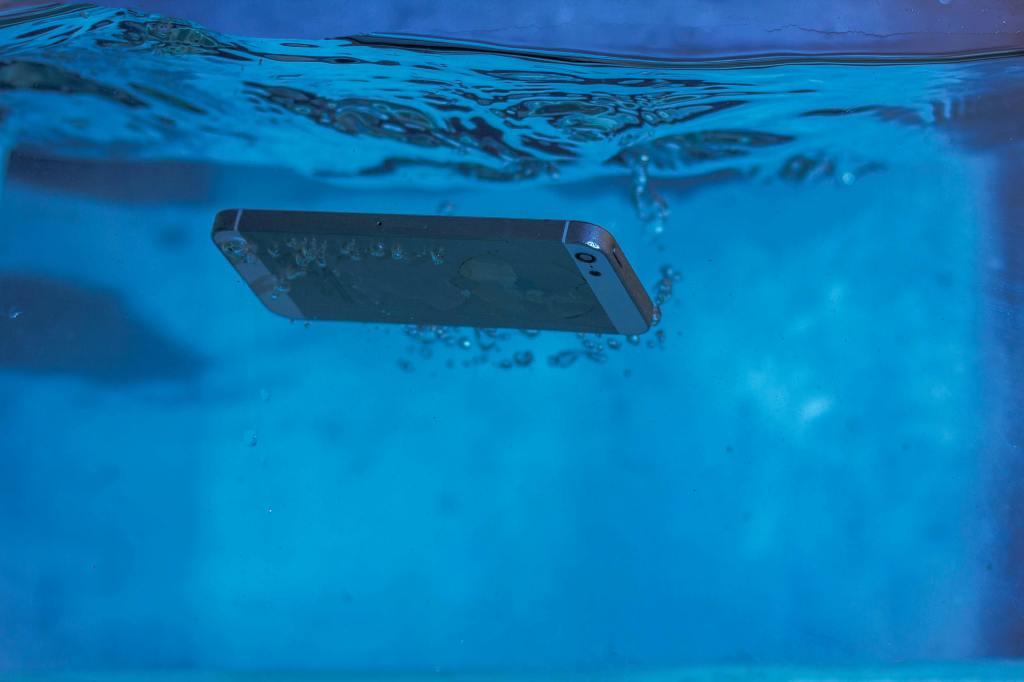
Your phone does a lot more than take photos, it’s your map, your translator, your boarding pass, your way back to your hotel, and your connection to everything you need if plans shift. Which means when something happens to it, everything else gets harder.
A waterproof phone case is one of those simple additions that quietly protects all of that. Rainstorms, beach days, boat rides, poolside moments, unexpected splashes, it removes the risk from situations where water and phones don’t usually mix.
And it’s not just about full submersion. Even humidity, sand, or a quick drop near water can turn into a much bigger problem than it should be. This keeps those moments from turning into disruptions.
But this is also where it crosses into something a little more fun. Because when your phone is fully protected, you stop hesitating. You can bring it with you while snorkeling, wading into the ocean, or exploring somewhere you normally wouldn’t risk it. You get the photos and videos you’d otherwise miss, not because you’re trying to document everything, but because you can. It’s a small shift, but it changes how you experience certain moments.
And underneath all of that, it’s still doing its main job: keeping your most important travel tool safe, functional, and ready when you need it. Because when your phone is protected, everything connected to it stays within reach, and that’s what makes it feel like a necessity, not just a nice-to-have.
#8 Portable Charger with Multiple Charge Options
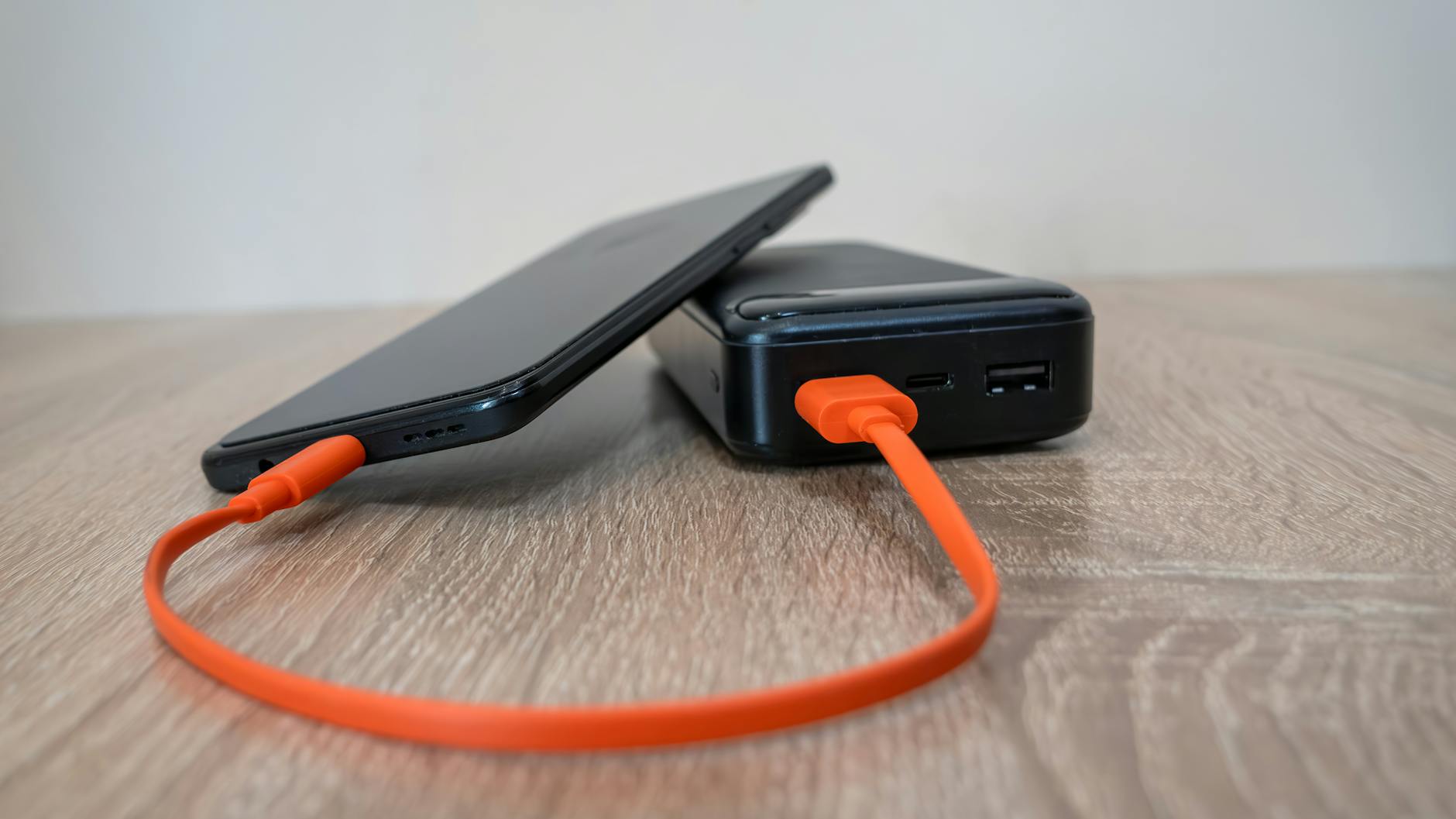
A dead phone while traveling isn’t just inconvenient, it’s the moment everything starts to feel harder than it should. No map. No ride options. No easy way to pull up reservations or double-check where you’re going next. You’re not stuck… but you’re also not exactly in control.
And the problem is, those moments rarely happen when you’re near an outlet. They happen mid-day, halfway across a city, on a long excursion, or right when you actually need your phone to work.
That’s where a portable charger earns its place. It gives you power when there isn’t any. No searching for outlets, no hovering near a wall in a crowded café, no rationing your battery like it’s a limited resource. You just plug in and keep moving.
And if you’re traveling with more than one device, or more than one person, having a charger that can handle multiple connections at once becomes even more valuable. Your phone, headphones, camera, or someone else’s low battery situation can all be handled without taking turns or deciding what matters most in the moment.
It’s a small thing, but it changes how you move through a day. You check directions without thinking twice. You take the photo. You book the ride. You stay out a little longer without doing mental math on your battery percentage. Because when your phone stays alive, so does your ability to navigate, adjust, and stay connected.
And that’s what makes this feel less like a convenience, and more like a safety net you’ll be glad you have.
#9 TSA Approved Luggage Lock
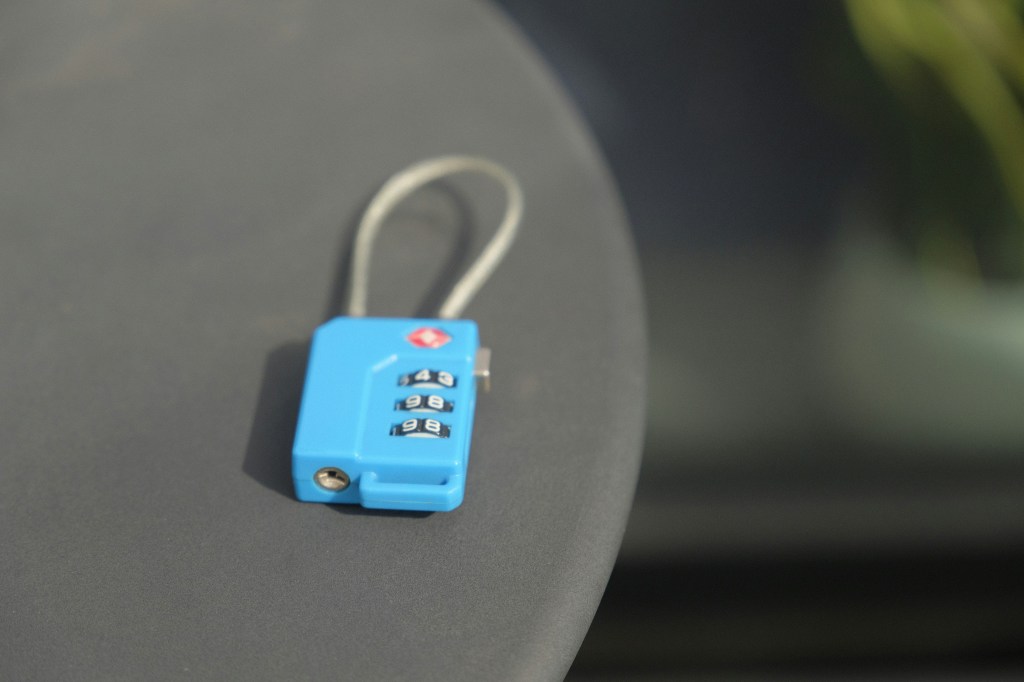
There’s a big difference between something being secure and something being easy to access. Most luggage situations fall into that second category.
Bags get handled, moved, stored, and left out of sight more often than we think. And it’s not just at airports, but throughout the entire travel journey. From check-in counters and baggage carousels to overhead bins on planes, luggage holds on trains, hotel storage rooms, and even cruise ship stateroom corridors, your bags spend a lot of time moving without you.
And while nothing is guaranteed to happen, it doesn’t take much for a quick, opportunistic moment to turn into an unnecessary headache. This is where a TSA-approved luggage lock helps close that gap.
It’s not about making your bag impenetrable, it’s about making it just inconvenient enough that it’s no longer worth the effort. A zipped bag becomes a secured one. A quick open-and-close isn’t so quick anymore.
And because it’s TSA-approved, it still allows security personnel to inspect your bag if needed, without cutting the lock or leaving you with a broken zipper situation on the other side.
It’s a small addition, but it adds a layer of control in environments where you don’t always have visibility or oversight. Whether your bag is in a train luggage rack, stored on a cruise ship while you’re off exploring, or sitting in a hotel storage room before check-in.
Because sometimes feeling secure isn’t about preventing every possibility, it’s about removing the easiest ones.
#10 Simple First Aid Kit
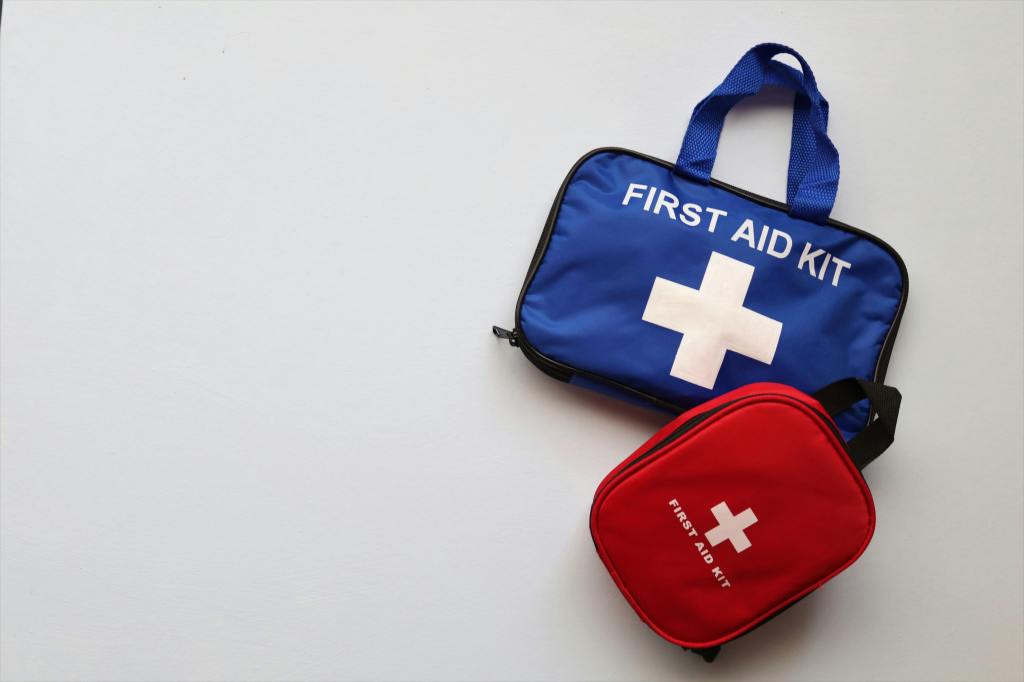
This isn’t about preparing for disasters. It’s about not letting small inconveniences steal time from your trip. Because travel has a way of producing the kind of minor issues that aren’t serious, but still annoying enough to pull you out of the moment.
A blister from a long walking day. A headache that shows up right when you finally sit down somewhere nice. A scraped knee you don’t notice until later. Or that “I don’t feel so good” feeling on a cruise ship. Nothing major. Just… disruptive.
A simple travel first aid kit handles those moments immediately, without turning them into a mission to find a pharmacy in a place you don’t know. Bandages, antiseptic wipes, pain relievers, motion sickness or nausea meds, maybe a couple of personal basics, you’re not packing for worst-case scenarios, just the most likely small ones.
Because when you’re in a new place, even simple errands can turn into time, confusion, or unnecessary detours. You deal with it quickly, you move on, and you get back to the part of the trip you actually came for. It’s one of those things you hope you don’t need, but you’ll be glad it’s there the second you do.
Because Travel Should Feel Exciting, Not Uncertain

At the end of the day, none of these items are about over-preparing or trying to eliminate every possible risk. They’re about something much simpler: removing the small uncertainties that tend to pull you out of the moment.
Because most travel stress doesn’t come from big problems, it comes from a series of small ones. A dead phone at the wrong time. A bag you can’t locate. A reservation you can’t pull up. A moment where something simple suddenly feels more complicated than it should.
Individually, none of these things are major. But together, they’re enough to take you out of the experience. And that’s really the point of this list.
Each item is designed to do one thing: keep you moving through your trip with fewer interruptions, fewer unknowns, and fewer moments where you have to stop and figure something out instead of just enjoying where you are.
And this is also where having an experienced travel advisor can quietly make a difference. Pulling all of these moving pieces together into a plan that actually works in real life, anticipating the gaps you don’t see yet, and helping set up the kind of trip where these tools aren’t just helpful, they’re seamlessly integrated from the start.
Because when those small friction points disappear, something else shows up in their place, confidence, ease, and the ability to actually be present in the experience.
And that’s where travel stops feeling like something you’re managing…
and starts feeling like something you’re living.

